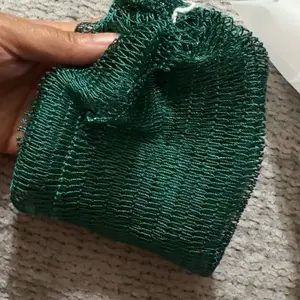
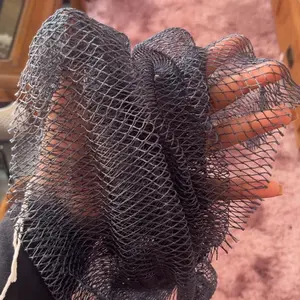
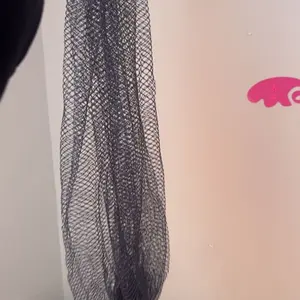
Why the cord is twisted first
A flat woven cloth has no edges, which is why it can only move water around. Twisting the cord before knotting it is what turns a piece of mesh into something that actually takes the dead layer off.

Cart (0)
Your cart is empty


Avera African Exfoliating Net
Your washcloth is not exfoliating you. Neither is your loofah. They move soapy water around and leave the dead layer where it was — which is why the same rough patches are still there when you get out.
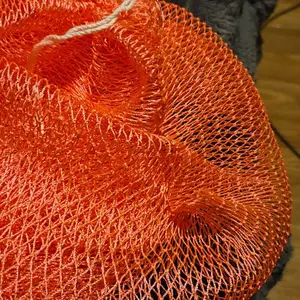
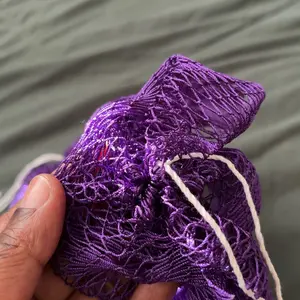
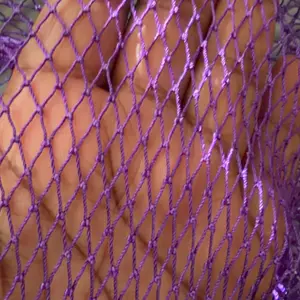
The cord is twisted before it is knotted, and the mesh is double-knotted. That is what gives it edges rather than a flat surface, and it is what holds its shape when wet.
The cheap copies are stiff. They feel like sandpaper, people use them twice and go back to the loofah. This one stretches and gives, which is why it stays in the shower.
Wet it, put a small amount of soap on it, and hold one end in each hand. Stretch it and work it across your back, then down over the shoulders, arms and legs.
Firm pressure, not scrubbing. The knots do the work — pressing harder does not exfoliate more, it just irritates the skin.
An open mesh hung on a hook dries in minutes. A loofah holds water in its core for hours, which is where the smell in most bathrooms comes from.
If a net ever does start to smell, it was left screwed up in a ball somewhere wet. Rinse it, hang it, and the problem does not come back.
Two to five years with nothing more than a rinse and a hang. Loofahs and poufs are generally recommended to be replaced every few weeks.
That is the whole maintenance routine — no washing machine, no soaking, no replacements to remember.
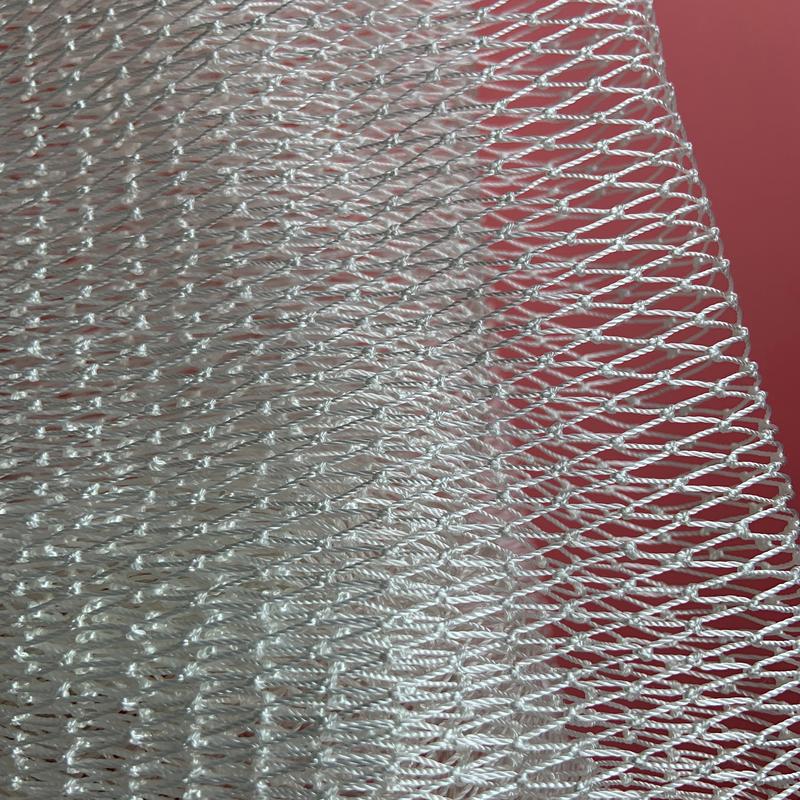
A washcloth and a loofah do the same job: they move soapy water around. Neither has the structure to lift anything off you, which is why the same rough patches are still there when you step out.
A net is a mesh of twisted, knotted cord. Stretched across the skin, those knots take the dead layer with them.
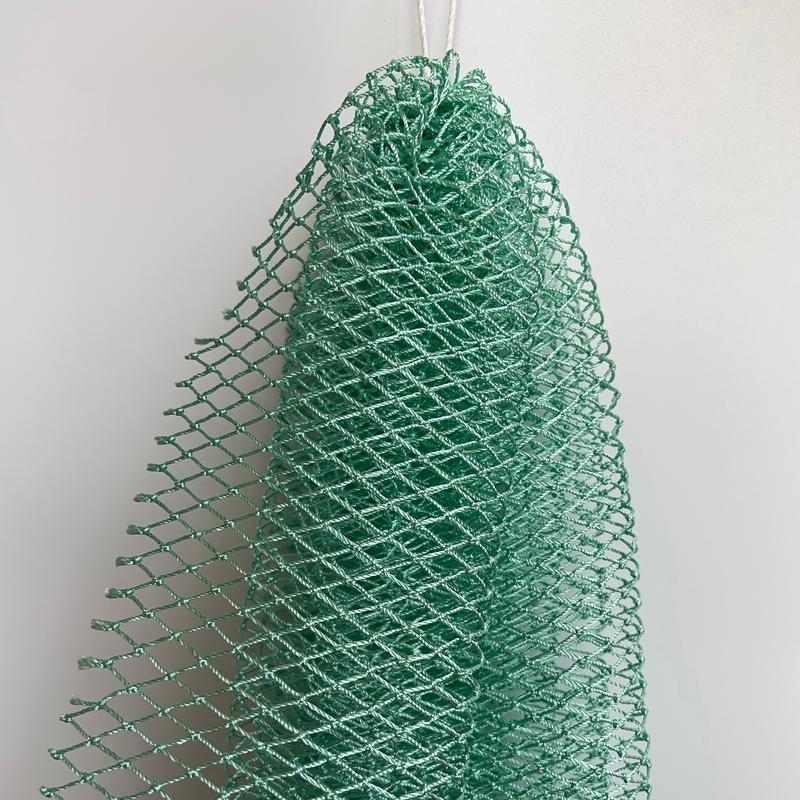
Most of the skin people never properly wash is on the back, between the shoulder blades, where a hand and a folded cloth simply do not go.
Held with one end in each hand, this reaches all of it.
A loofah lathers well and holds water for hours. A washcloth dries but has no texture at all. Neither of them exfoliates, which is the job this one is actually for.
| Feature | AveraAfrican Net | Loofahor pouf | Washclothor flannel |
|---|---|---|---|
| Actually lifts the dead layer | |||
| Reaches the middle of your back | |||
| Keeps its texture when wet | |||
| Dries fully between showers | |||
| Lathers on very little soap | |||
| Lasts years, not weeks |
★★★★★I did not believe the videos until I saw what came off my own arms in the first shower.
Tanya W.Purple
★★★★★Two years on the same net. My loofahs used to get replaced every month and I still felt grimy.
Rochelle A.Verified buyer
★★★★★It reaches the middle of my back on its own, which nothing else I have ever bought does.
Priya N.Mint
★★★★★Mine smelled after a week and then I realised I had been leaving it screwed up in the corner of the bath. Hang it up and it is completely fine.
Deborah K.Coral
★★★★★The backs of my arms stopped being rough. That was the only thing I wanted from it.
Simone B.Tan
★★★★★I am getting through about a third of the shower gel I used to.
Aicha M.Purple
A flat woven cloth has no edges, which is why it can only move water around. Twisting the cord before knotting it is what turns a piece of mesh into something that actually takes the dead layer off.
The rigid versions exfoliate hard for about a week, and then they live under the sink. A net that stretches is one you are still using in two years, and consistency is what changes skin.
A pad is a hand with extra steps: it goes exactly where your hand already goes. The length is the only thing that gets the middle of your own back.
So it drains and dries between showers. A closed sponge stays wet, and wet is the condition every bathroom smell needs.
It is firmer than a washcloth and softer than the stiff copies people complain about. Used with light pressure it exfoliates without scraping — and pressing harder does not exfoliate more, it just irritates.
If your skin is very sensitive, start with two or three times a week rather than daily.
Wet it, a small amount of soap, one end in each hand. Stretch it across your back, then work down the shoulders, arms and legs. Rinse it and hang it up.
Not if it dries. The open mesh drains in minutes on a hook. Every net that has ever gone sour was left balled up somewhere wet — that is the single thing to avoid.
Two to five years. Loofahs and poufs are usually recommended for replacement every few weeks, which is the comparison worth making.
We would not. The mesh is made for backs, arms and legs. Facial skin is thinner and this is more abrasion than it needs.
It removes the dead-skin buildup that sits on the surface, and that is what most people with rough patches on the arms and the backs of the legs say changed for them.
It is not a medical treatment. If you have painful or active breakouts, be gentle with it and talk to a professional.
It stretches to about 40 inches, which is wide enough to run across your back at full width with an end in each hand.
They are identical apart from the colour. The reason there is more than one is so that everyone in a house can have their own rather than sharing a net.
I was using a body scrub twice a week and buying a new jar every month. Have not touched the jar since this arrived. My arms feel the same or better.
i have used it every day since march and it has not changed at all. no fading, no fraying, no loose knots. genuinely impressed with how its held up
It works, no question. Mine did feel a bit stiff out of the package but softened after two or three showers. Wish I had known that going in so I did not panic.
it stretches way out, like both arms wide and then some. i can get my lower back without any twisting. that was the entire reason i ordered it
the stretch is unreal, i hold both ends and it goes across my whole back easy. i am not flexible at all. this is the first thing thats worked for me
My loofah used to sit damp in the corner of the tub for days. This one is dry in like ten minutes hanging on the hook. That was the main reason I switched.
It works and I have no complaints about the product itself. I do wish shipping was a bit quicker but it got here fine. I would order another one.
My sister has been complaining about her elbows for two years so I got her one. She sent me a picture a week later. Apparently they are soft now.
Works great, holds up well, easy to rinse. The only thing is the color is slightly different from the photo but I do not really care. It does its job.
Pretty happy with it. Took longer to get here than I expected but the product is good. I would order again knowing it takes a little while.
Works well for what it is. I did expect it to be softer straight out of the package. After a few uses it broke in and is comfortable now.
Fine product, does the job. I do think the photos make it look bigger than it is when it is not stretched out. Once you pull it it is plenty long.
I keep one at home and one at my boyfriend's place because I refuse to shower without it. That is a sentence I did not expect to write. My skin is worth it though.
got the coral one because i wanted something i could spot in the shower. it does not slip out of my hand when its soapy which was my worry. really glad i tried it
It dries in ten minutes on the hook and never once has it smelled. My loofah sat damp on the shelf for days. This is a much cleaner setup all around.
Bought the tan one for my dad and the mint one for my mom. Both of them have called me about it separately. My family is very easy to impress apparently.
both my knees and elbows were rough for as long as i can remember. two months with this and theyre soft. i genuinely did not think that would change
Does its job well. I do wish the description was clearer about how rough it feels at first because it caught me off guard. It softened up within a week.
Between my toes is the part I never thought about until I could actually get in there. It sounds small but it makes a difference. My feet feel properly clean now.
Been using it about ten weeks and my back has not broken out once since. I used to get little spots along my shoulder blades constantly. Something about actually cleaning back there.
Works well overall, I just wish it did not feel quite so rough on my chest and stomach. I stick to my back, arms and legs with it. Those areas it is perfect for.
My legs and back both get proper attention now which they never did before. I used to skip whole areas without realizing it. Two months in and my skin looks different.
i use way less body wash now and my skin feels better than when i used more. that is a strange thing to figure out at 41. but here we are
my mom told me about these years ago and i finally listened. she was right and i have apologized. my back has never been cleaner
The reach is what I paid for and it delivers. I hold both ends and pull it across my back like a towel. Never been able to do that with anything else.
My daughter has rough bumpy skin on the backs of her arms and she has been using this in the evenings. It is smoother than it has been in years. She likes that it does not sting.
the whole thing takes maybe thirty seconds and my skin feels better than after a salon scrub. i used to pay for those. now i do not
What went down the drain the first time was honestly a lot. I have showered every day of my life. Apparently that was not the same as being clean.
Been using it since last autumn and it is still in perfect shape. I fully expect to still be using this one in a couple of years. Nothing else in my shower lasts like that.
the very first time i used it i stood there for a second like what is happening. all that stuff was on me the whole time. my washcloth was doing nothing
Ordered the tan one for myself and a coral one for my girlfriend. She stole mine before hers even arrived. Both of us use them daily now.